

On this page
- A youth mentor shows up, listens and guides
- What is the main purpose of mentoring?
- The mentor’s job in one-on-one, group, peer and virtual mentoring
- The work a mentor does with a young man
- Mentor vs coach: what is the difference?
- Mentors at I AM MENtality in Baltimore
- Youth mentor questions
- Mentor a young man in Baltimore
A youth mentor is a steady adult outside the family who shows up on a regular schedule, listens, and helps a young person set goals and work toward them. Mentors model, teach and advise, and they stay long enough for trust to form.
Founded in 2016, I AM MENtality mentors male youth ages 8 to 18 across Baltimore City through its Leadership Academy. Across its first ten years, 100% of participating youth had mentors.
- What a mentor is. A caring, consistent adult matched with a young person, usually through a program.
- What a mentor does. Shows up, listens, sets an example, teaches a skill, advises, and points to opportunities.
- What mentoring is for. A sustained relationship with a caring adult, which youth.gov reports 8.5 million youth lack.
- How the job changes. One-on-one, group, peer and virtual mentoring each ask something different of the adult.
- Where the role ends. A mentor doesn’t replace a parent, and MENTOR, the national mentoring organization, places family counseling and medical or psychological treatment outside the role.
A youth mentor shows up, listens and guides
A youth mentor shows up consistently, listens, and gives a young person guidance, encouragement and a working example of adult life. Youth.gov, the federal government’s website on youth programs, describes the essential parts of mentoring as caring, empathetic, consistent and long-lasting relationships, often with some combination of role modeling, teaching and advising.
Show up
Keep the schedule you agreed to. A mentoring relationship works when it is consistent and long-lasting.
Listen
Successful mentors listen first. Then they offer friendship, guidance and encouragement when a young person needs it.
Set an example
Role modeling comes first. A young person watches how an adult keeps a promise, handles a setback and treats other people.
Teach a skill
Schoolwork, a job application, a budget. Youth.gov calls this topic-focused work instrumental mentoring, and it is aimed at one specific goal.
Advise
Help a young person set a goal, weigh the choices in front of him, and think through the next step before he takes it.
Open doors
Youth.gov says mentors can provide opportunities as well as support. That can be an introduction, a visit to a workplace or a first look at a career.
The mix changes over time. Youth.gov notes that a mentor’s role may differ over the course of the relationship: role model, supporter or cheerleader, policy enforcer, advocate, friend. Its page on the adults who act as mentors adds empathy, flexibility, and the ability to see solutions and help a young person see them too.
A mentor does not replace a parent. MENTOR, the national mentoring organization, sets the outer limit in writing: the role does not include family counseling, or medical and psychological treatment. For what a mentor should not do, and for screening and training, see how to become a youth mentor.
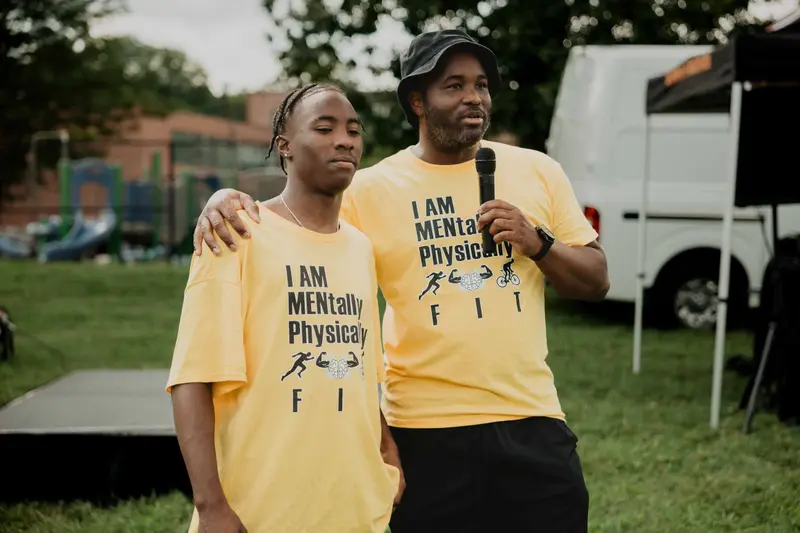
What is the main purpose of mentoring?
The main purpose of mentoring is to give a young person a sustained relationship with a caring adult who is not a parent. Skills and advice travel through that relationship. Youth.gov’s reading of the research is that youth benefit from close, caring relationships with adults who serve as positive role models.
Many young people have no such adult. Youth.gov, citing research published in 2009, reports that 8.5 million youth lack supportive, sustained relationships with caring adults. Mentoring answers that gap by matching a young person with an adult who has more experience and is willing to stay.
Because the relationship is the purpose, how it is run decides how long it lasts. Youth.gov reports research suggesting that relationships built on the young person’s own needs and interests last longer, and leave both people more satisfied, than relationships where the mentor sets the goals. The benefits youth.gov lists add up to personal growth, from greater self-confidence to a better attitude about school. In Baltimore, the impact of mentoring on youth shows in I AM MENtality’s first ten years: a 95% graduation rate and 600+ youth connected to therapy.
Mentoring supplies the caring adult many young people are missing.
The mentor’s job in one-on-one, group, peer and virtual mentoring
A mentor’s job changes with the format: one-on-one mentoring is a single match, group mentoring puts one or more adults with several young people, peer mentoring has an older youth guide a younger one, and virtual mentoring happens online. MENTOR publishes guidance on each format, and youth.gov summarizes the research behind them.
| Format | Who is in it | What the mentor does |
|---|---|---|
| One-on-one | One adult and one young person | Gives one young person undivided attention and builds a single relationship over time |
| Group | One or more adults and several young people | Leads shared activities and keeps every member included. Youth.gov sets the ceiling at four mentees per mentor |
| Peer | An older youth or young adult and a younger one | Supports someone a few steps behind on the same road, often around the move into high school, college or a career |
| Virtual | A mentor and a mentee online | Keeps the relationship going through messages and online conversation, on a more flexible schedule |
Group mentoring runs on different numbers. Youth.gov, citing a 2006 MENTOR report, says the average small group has three adults for a group of ten youth. MENTOR’s group mentoring guidance says a group also strengthens a young person’s sense of belonging and connection with peers.
In peer mentoring the benefit runs both ways: MENTOR’s peer mentoring guidance reports that the older youth gain too, in leadership and communication skills. Its e-mentoring guidance points to matches that distance would otherwise rule out, and youth.gov adds a caution: some youth lack easy access to technology, and face-to-face time may serve them better.
The formats also combine. One study cited by youth.gov found that one-on-one mentoring paired with group activities produced better outcomes for youth than group activities alone. I AM MENtality’s Leadership Academy runs all four: group, peer-to-peer, individual and virtual mentoring, engaging all types of learners.
The work a mentor does with a young man
A mentor works on what the young man needs most, and at I AM MENtality that work sits inside four Leadership Academy Focus Areas: leadership development, workforce development, financial literacy, and health and wellness. Each focus area has one line, and that line sets the mentor’s work.
| Focus area | What it means | What it asks of a mentor |
|---|---|---|
| Leadership Development | Helping young men discover who they are before we ask them to lead others | Listening before directing, because self-knowledge comes first |
| Workforce Development | Preparing young men for careers, entrepreneurship and hands-on experiences | Career exploration and job shadowing, which youth.gov lists among typical mentoring activities |
| Financial Literacy | Teaching the principles of money, credit, stock, budgeting and wealth | Teaching one topic at a time, the instrumental mentoring youth.gov describes |
| Health and Wellness | Supporting healthy minds, healthy bodies, and healthy communities | Noticing, and guiding a young man toward professional help when he needs it. Mental health treatment sits outside a mentor’s role |
Need sets the order of that work. I AM MENtality’s model is needs-based: intake is diagnostic first, and a young man who cannot read is not handed a financial literacy worksheet. Each plan is then built by backwards mapping, which starts from where a young man is going and works back to where he is standing. Funders and parents can read the method in full in the male youth development model.
Families are part of the plan. Parent engagement is expected. On the health side, I AM MENtality connected 600+ youth to therapy in its first ten years.
The first thing a mentor does for a young man is notice what he needs.
Mentor vs coach: what is the difference?
The difference between a mentor and a coach is scope: a coach works on one skill or one performance, and a mentor is there for the whole young person over a longer stretch of time. Tutors and counselors are separate roles again, and the four are easy to confuse because one adult can hold more than one.
| Role | What the adult is there for | The work is done when |
|---|---|---|
| Mentor | A steady relationship, with guidance on goals, school, work and life | The match or the program comes to its planned end |
| Coach | Improving one skill or preparing for one performance, in a sport, a subject or a job | The season, the course or the goal is finished |
| Tutor | Teaching a school subject or one academic skill | The class is passed or the skill is learned |
| Counselor | Professional help with emotional, family or psychological concerns | The concern has been treated or handed on to other care |
MENTOR’s guidance for new volunteers points out that most people have had a teacher, supervisor or coach who was also a mentor to them.
Between mentor and counselor the line is firm. MENTOR’s guidance is that when a serious problem appears, the most a mentor should do is help guide a young person to the appropriate source of professional help. A parent weighing the four roles can start from the need: a grade calls for a tutor, a skill for a coach, a crisis for a counselor, and a steady adult for a mentor.
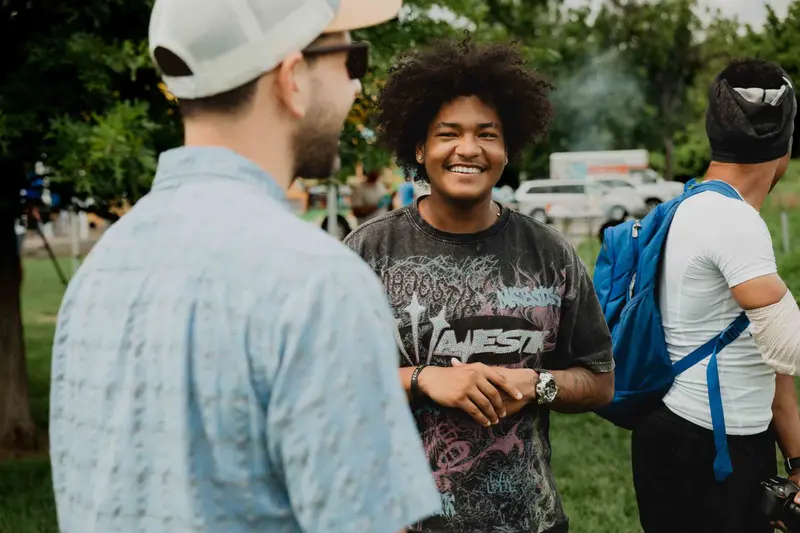
The mentor is the adult who stays after the season ends.
Mentors at I AM MENtality in Baltimore
A mentor at I AM MENtality works with male youth ages 8 to 18 across Baltimore City, through the Leadership Academy and its four focus areas, in programs that are free for families. The organization was founded in 2016, after a 2015 needs assessment of the overall health of male youth in Baltimore.
Parents who want a mentor for a son can start with the guide to finding a mentor for your son, then enroll a young man in the Leadership Academy. Funders weighing mentorship programs in Baltimore can see the model, the numbers and the supporters in one place.
Adults who want to mentor start with one short form. Choose a way to help from the volunteer opportunities in Baltimore, and say when you are available.
Youth mentor questions
What is the role of a school mentor?
A school mentor meets a student at school, during or after school hours, and the time often goes to tutoring, sports or games. Youth.gov reports that school-based mentors spend about half as much time with their mentees as mentors in community-based settings, and that many school matches run only for the academic year.
What does mentoring help with?
Mentoring helps a young person succeed in life and meet goals by adding a caring adult's support, guidance and opportunities, in youth.gov's description. Youth.gov's summary of the research also lists a better attitude about school and stronger relationships with parents, teachers and peers.
How do you mentor adolescents?
Mentoring adolescents works best when the adult follows the young person's lead. Youth.gov describes developmental relationships, which take their cues from the youth's needs and interests, and reports research suggesting they last longer and satisfy both people more than relationships where the mentor sets the goals.
Who is better, a mentor or a coach?
Neither a mentor nor a coach is better, because the two do different jobs. A coach builds one skill or prepares a young person for one performance. A mentor is there for the whole young person over a longer period. Many young people have both, and one adult can be both.
Is a youth mentor the same as a counselor?
A youth mentor is not the same as a counselor. MENTOR, the national mentoring organization, says a mentor's role does not include family counseling or medical and psychological treatment. The most a mentor should do is help guide a young person to the appropriate source of professional help.
What is group mentoring?
Group mentoring matches more than one young person with one or more adults. Youth.gov says a small group should have no more than four mentees per mentor, and that the average small group has three adults for ten youth. MENTOR adds that a group builds connection among the young people themselves.
What are the main types of mentoring relationships?
The main types of mentoring relationships are one-on-one, group, peer and virtual, and each can be formal or informal. Youth.gov also separates instrumental mentoring, which targets a specific goal such as preparing for a job, from psychosocial mentoring, which is open-ended and built on conversation.